Discover Richmond Hill top Estate Appraisal for professional residential and commercial property valuation services
Discover Richmond Hill top Estate Appraisal for professional residential and commercial property valuation services
Blog Article
Complete Property Valuation: Increase Your Property's Worth
A comprehensive estate appraisal serves an crucial role in establishing a property's worth, particularly after the passing of a family member. It guarantees a fair allocation of assets among beneficiaries and assists in meeting financial obligations. Comprehending the multiple factors affecting valuation is important. Furthermore, choosing the appropriate appraiser can greatly influence the result. With numerous considerations at play, how can property owners best ready themselves for this undertaking?
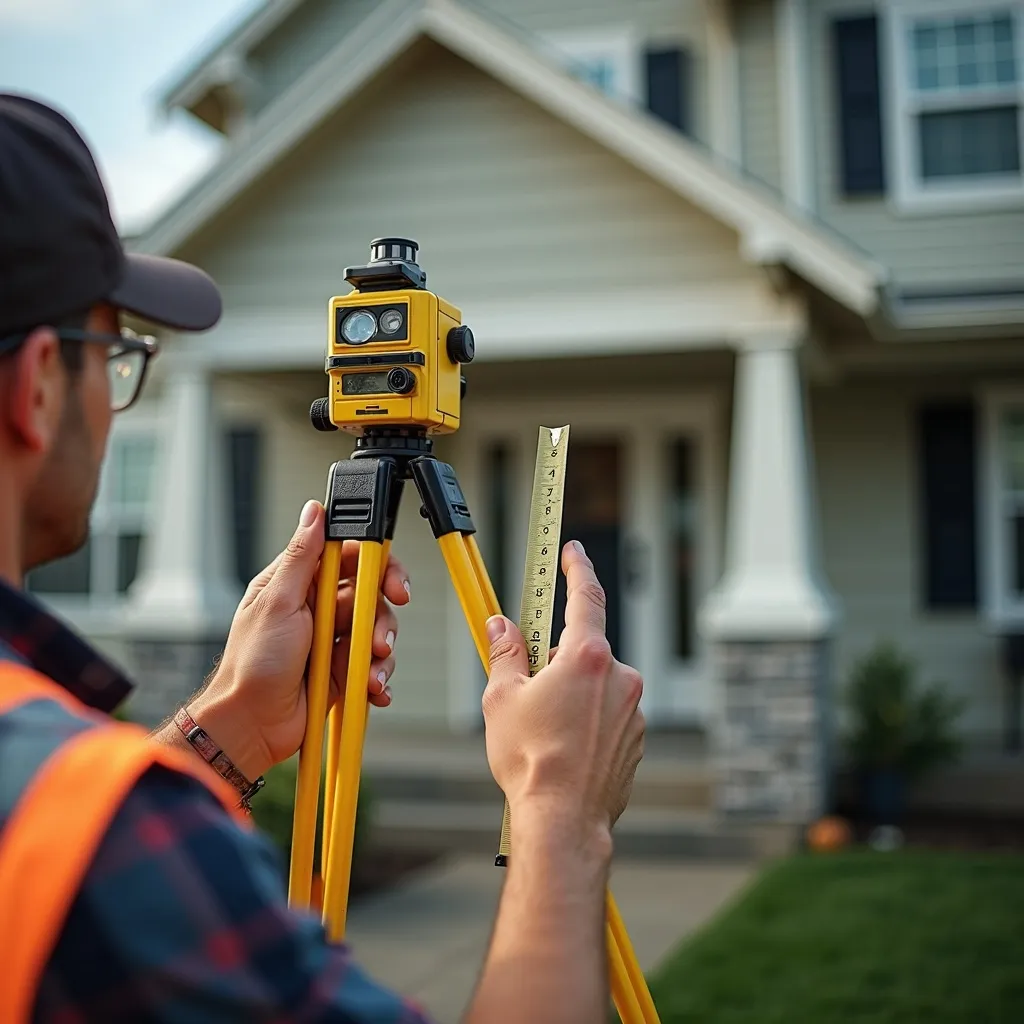
Comprehending the Function of an Estate Assessment
An estate evaluation serves as an essential instrument in determining the value of a departed individual's property. This procedure is important for multiple purposes, primarily to facilitate the equitable distribution of assets among inheritors and beneficiaries. It offers a clear assessment that can aid in settling liabilities and taxes, ensuring that the property satisfies legal requirements. Moreover, an precise appraisal assists in minimizing disputes among family members, thereby promoting a easier change during what is often a challenging time.
Furthermore, an estate appraisal can also facilitate in identifying and documenting the valuables for future generations. It establishes a baseline value that can be referenced for potential future sales or taxation considerations. Ultimately, understanding the purpose of an estate appraisal highlights its role in achieving equity and openness in the management of a deceased person's estate, enhancing responsible estate planning and execution.
Critical Aspects Affecting Real Estate Market Value
Numerous key elements significantly impact property valuation during an estate appraisal. Location and accessibility commonly determine a property's desirability, while the condition of the property itself can influence its overall worth. Additionally, market trends analysis provides understanding into current economic conditions that shape property values.
Location and Convenience
Location and accessibility are essential elements in determining property valuation, influencing buyer interest and market trends. Properties situated in desirable neighborhoods, proximate to amenities including schools, shopping centers, and public transportation, generally fetch higher prices. Moreover, accessibility to major roadways and employment hubs strengthens a property's allure, rendering it more appealing to prospective buyers. Neighborhoods with low crime rates and superior school districts frequently experience heightened demand, further boosting property values. However, properties in secluded locations or those lacking adequate access to essential services may face depressed valuations. Understanding these considerations allows sellers to effectively place their properties, enhancing marketability and ensuring ideal returns on investment.
Property State Evaluation
Beyond location and accessibility, the condition of a real estate significantly impacts its valuation. Critical elements include structural integrity, age, and upkeep record. A properly cared for property typically attracts a higher price, as purchasers are often willing to pay a surcharge for ready-to-occupy status. In contrast, properties needing substantial repairs or renovations may discourage potential purchasers, leading to lower offers. Additionally, updates in vital systems—such as plumbing, electrical, and roofing—can boost value, while ignoring these areas can cause value decline. A thorough property condition assessment not only identifies these factors but also offers a clear picture for potential buyers, eventually affecting the real estate's marketability and final sale price. Assessing condition
Market Trends Study
Market trends form a key component in determining property valuation, impacting buyer behavior and pricing strategies. Factors including local economic conditions, employment rates, and demographic shifts substantially influence market demand. Additionally, interest rates discover the facts and lending options govern how buyers undertake property purchases. Seasonal trends frequently impact buyer activity, with certain periods seeing higher sales volumes. Furthermore, neighborhood developments, such as new amenities or infrastructure projects, can strengthen property desirability. Understanding these dynamics permits appraisers and property owners to customize their strategies accordingly. By carefully monitoring these trends, stakeholders can make prudent decisions, ensuring that property valuations reflect current market realities and maximizing potential returns. Ultimately, a comprehensive market trends analysis is necessary for effective estate appraisal.
How to Select a Competent Appraiser
Selecting a competent appraiser requires thoughtful evaluation of several key factors. Qualifications and expertise serve a crucial purpose, as does the appraiser's knowledge of the local market. Additionally, comprehending the appraisal methodologies employed can significantly impact the accuracy and reliability of the property valuation.
Qualifications and Experience
When seeking a qualified appraiser, it is crucial to assess their qualifications and experience, as these elements greatly influence the precision and dependability of the appraisal. A certified appraiser typically holds an relevant designation from an established professional organization, such as the Appraisal Institute or the American Society of Appraisers. Additionally, significant experience in the field, particularly with the type of property being appraised, is essential. Prospective clients should ask about the appraiser's history, including the amount of appraisals completed and any specializations. It's also advantageous to check for continuing education, which demonstrates a dedication to staying current with industry standards and practices. Collectively, these components guarantee a versatile professional able of delivering precise appraisals.
Local Market Expertise
Grasping local market dynamics is vital for selecting a skilled appraiser, as their knowledge of the region can significantly influence the appraisal's reliability. An appraiser possessing in-depth knowledge of the local real estate landscape will be more suited to determine property values in light of recent transactions, neighborhood trends, and market indicators. It is recommended to identify appraisers who have worked in the specific locality for several years, as they will possess insights into unique factors influencing property worth. Additionally, verifying local certifications or memberships in relevant associations can additionally confirm an appraiser's competence. Ultimately, choosing someone knowledgeable in regional market dynamics can produce a highly accurate and beneficial property valuation.
The Appraisal Methodology Used
The appraisal methodology utilized by a certified professional is a key element affecting property valuation. Appraisers typically utilize three main approaches: the sales comparison approach, the replacement cost method, and the revenue-based method. The comparable sales method evaluates similar properties sold in recent times in the area, while the cost approach estimates the cost of replacing the property minus depreciation. The revenue-based method is often applied for income-generating assets and determines potential income production. When selecting an appraiser, individuals should prioritize qualifications, including certifications and experience. It is also essential to evaluate their knowledge with local market trends and real estate categories. A knowledgeable appraiser can provide a comprehensive evaluation, ensuring accurate and advantageous property valuation for inheritance planning.
Get Your Property Prepared for an Assessment
Making a property ready for appraisal is essential for securing an accurate valuation. Homeowners must begin by verifying that the property is clean and clutter-free, which lets appraisers to recognize its full potential. Elementary cosmetic improvements, including fresh paint or minor repairs, can markedly improve appeal.
In addition, it is proposed to accumulate applicable documents, such as previous appraisals, tax assessments, and property disclosures, as these present valuable context for the appraiser. Landscaping should also be given attention; well-maintained gardens and lawns can foster a positive first impression.
Finally, homeowners should be prepared to provide a list of unique features and upgrades, as these elements may affect the total worth. By following these measures, homeowners can facilitate a smoother appraisal process and potentially increase their property's value.
Common Property Appraisal Errors to Prevent
Numerous common mistakes can hinder the estate appraisal process and potentially result in inaccurate valuations. One common error is failing to supply complete and accurate details about the property. Incomplete information can distort the appraiser perception, causing miscalculations. Another mistake is failing to take into account recent market trends and similar sales, which can significantly affect property values. Failing to address necessary repairs or improvements also poses a challenge; appraisers must assess the property's current condition with precision.
Furthermore, depending exclusively on internet-based valuation tools can mislead homeowners, as these instruments often miss regional market subtleties. Sentimental feelings to the real estate may cloud decision-making, leading to unrealistic assumptions regarding worth. Finally, not hiring a qualified valuation professional can compromise the assessment's credibility. By avoiding these common pitfalls, homeowners can guarantee a more precise and advantageous property appraisal.
Increase Your Property Value Through These Solutions
Elevating property value demands a strategic approach that includes both visual and practical improvements. First, improving exterior appearance is essential; basic landscaping, new paint, and properly kept pathways can create a lasting first impression. Inside, renovating kitchens and bathrooms often yields the highest returns. Modern fixtures and energy-efficient appliances can draw potential buyers.
Furthermore, organizing and presenting the home make it more inviting and allow prospective buyers to envision themselves living in the space. Investing in small fixes, such as repairing dripping taps or replacing worn flooring, can also greatly enhance attractiveness.
In addition, incorporating smart home technology offers a up-to-date edge that numerous clients desire. In conclusion, understanding local market trends and pricing strategically can establish the property advantageously. By implementing these methods, property owners can enhance their asset's value and confirm a more favorable appraisal conclusion.
What to Do After Your Property Valuation?
After implementing strategies to boost real estate value, the subsequent actions following an assessment are necessary. Property owners should carefully examine the appraisal report in detail, confirming they grasp the valuation and any factors shaping it. If discrepancies or concerns arise, it is important to resolve them quickly, perhaps via a discussion with the appraiser.
Next, owners should contemplate their fiscal objectives. Whether planning to sell, refinance, or hold the property, coordinating plans with the appraisal findings is fundamental. For those offering the property, leveraging the property valuation can guide pricing and promotional strategies effectively.
Additionally, owners might reach out to property advisors for guidance on industry trends, ensuring they take advantage from their property's value. Finally, staying informed about constant property enhancements and market conditions can help maintain or enhance value over time, making the valuation a cornerstone instrument in long-term property management and strategy.
Often Requested Inquiries
What Schedule Should I Use for My Estate Appraisals?
Professionals recommend property valuations every three to five years, or following significant changes, such as renovations or market fluctuations. Ongoing assessments ensure property values accurately represent current conditions, facilitating well-considered choices for owners and potential buyers.
Am I allowed to object to an appraisal value I take exception with?
Yes, an party can appeal an appraised figure they disagree with. This mechanism typically involves forwarding substantiation corroborating their assertion, such as recent sales or property condition, to the designated authority or appraisal board for inspection.
Which Documents Are Needed for an Property Assessment?
An appraisal necessitates crucial paperwork which typically comprise property deeds, previous appraisals, tax assessments, renovation records, and any relevant photographs. These materials support the appraiser in correctly evaluating the property's current market value.
How long does an estate appraisal typically take?
A property appraisal typically takes between one to three hours, based on the property's size and complexity. However, final reports may require additional time for evaluation and paperwork before completion and delivery to the customer.
Does an Valuation Amount Determine My Tax Obligations?
An appraisal value can significantly impact property taxes. Local tax authorities often use appraised values to assess tax assessments, meaning a higher appraisal may result in increased property taxes, impacting the owner's financial burden.
Report this page